Menu
Medical Dermatology

Pityriasis Versicolor

MD Dermatologists

Qualified & Experienced

FDA-Approved Tech

Advanced Equipment

10+ Years

Clinical Experience

4.8 Google Rating

500+ Happy Patients

Pityriasis Versicolor Treatment at Signature Skin Jaipur

PITYRIASIS VERSICOLOR

Expert Solutions for Pityriasis Versicolor

Call Now 

At Signature Skin, Dr. Shantanu Choudhary and Dr. Swati Mogra diagnose and treat Pityriasis Versicolor, a common fungal skin infection that causes patchy skin discoloration. Because it can recur, especially in hot, humid weather, we pair active treatment with practical prevention guidance.

Understanding Pityriasis Versicolor
Pityriasis Versicolor, also known as Tinea Versicolor, is a superficial fungal infection caused by an overgrowth of yeast that normally lives on the skin. It results in discolored patches, commonly on the chest, back, shoulders, and neck, that may be lighter or darker than the surrounding skin.

When to See a Dermatologist
Consultation is recommended for patchy discoloration that isn't responding to over-the-counter antifungal washes, or for confirmation that discoloration is due to Pityriasis Versicolor rather than another pigment condition.

Our Approach to Treatment
Accurate Diagnosis: Examination to confirm Pityriasis Versicolor and rule out other causes of skin discoloration.

Customized Treatment: Treatment strategies considering the severity, extent, and location of the infection.

Topical Treatments: Antifungal creams, lotions, or shampoos to target the underlying yeast.

Oral Medications: Oral antifungal medication for severe cases or when topical treatment alone isn't sufficient.
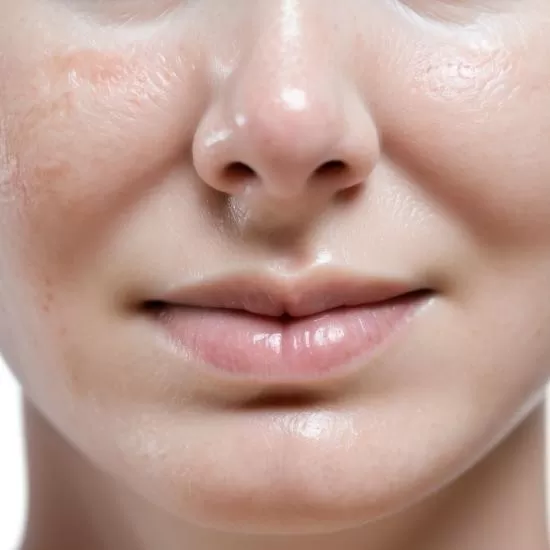
Effective Relief

Targeted treatments to eliminate the fungal infection and alleviate discoloration.
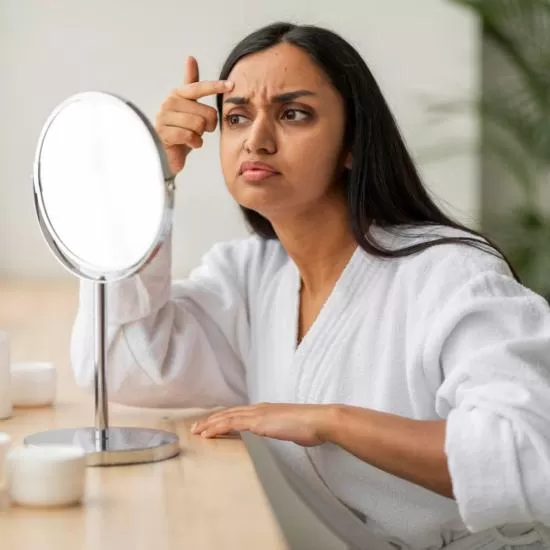
Preventive Measures

Recommendations to prevent future recurrences of Pityriasis Versicolor.

Improved Skin Appearance

Treatment to restore even skin tone and texture affected by the infection.

What Sets Our Pityriasis Versicolor Care Apart

Diagnosis Before Treatment: We confirm the fungal cause rather than assuming it, since other pigment conditions can look similar at first glance.

Recurrence-Focused Prevention: Because this infection commonly returns in warm, humid conditions, every plan includes specific guidance on preventing recurrence, not just clearing the current outbreak.

Pigment Recovery Timeline: We explain that skin tone evens out gradually after the fungus clears, so patients know what to expect and when.

Climate-Adjusted Advice: Given Jaipur's climate, we give practical, season-specific guidance on reducing sweat and humidity triggers.

If you have patchy skin discoloration, book a consultation with our dermatology team in Jaipur.

Quick Facts

Contagious?

No - not contagious

Typical Course

Recurs easily in heat and humidity - managed with antifungal care

Book Your Visit

Consult with our experts for personalized care.

Is This Right For You

Am I a Good Candidate for Pityriasis Versicolor?

Good Candidate If

  • You have patches of lighter or darker skin, often on the chest or back
  • Patches become more noticeable with tanning or sun exposure
  • You want confirmation this is a fungal condition, not pigmentation loss
  • You are prepared for a treatment course plus maintenance to prevent recurrence

Please Discuss With Us First If

  • Patches are widespread or rapidly increasing
  • You have tried treatment before but the condition keeps recurring
  • You have associated itching or scaling
  • You are unsure whether this could be vitiligo or another pigment condition
Meet Your Doctors

The Experts Behind Your Pityriasis Versicolor Treatment

Dr. Shantanu Choudhary

Dr. Shantanu Choudhary

MD Dermatology · Aesthetic & Cosmetic Fellowship (Miami, USA)

Fellowship-trained under Dr. Leslie Baumann in Aesthetic & Cosmetic Dermatology, with advanced laser training from the National Skin Centre, Singapore.

View Full Profile →
Dr. Swati Mogra

Dr. Swati Mogra

MRCP (UK) · Specialist Dermatologist

One of India's first RCP UK-certified Specialist Dermatologists, trained in Lasers & Advanced Dermatology at the National Skin Centre, Singapore.

View Full Profile →
Your Safety, Our Priority

How We Keep Your Pityriasis Versicolor Treatment Safe

Qualified Dermatologists

Every treatment is performed by MD Dermatologists, not technicians, with years of aesthetic training.

Distinguishing From Other Pigment Conditions

A simple scraping test confirms the fungal cause, distinguishing it from vitiligo or other pigmentation disorders that need different treatment.

Medical Assessment First

Every patient undergoes a detailed consultation and physical assessment before any treatment is planned.

Strict Hygiene & Sterilisation

Single-use, sterile equipment and strict hygiene protocols are followed for every patient, every time.

Personalised Dosing

Dosage and injection points are customised to your facial anatomy for natural-looking, balanced results.

Transparent, Ethical Care

No upselling or unnecessary treatments — we recommend only what genuinely benefits you.

Patient Reviews

What Our Patients Say

"I visited this clinic for acne treatment with Dr. Shantanu Chaudhary. His behavior is absolutely wonderful and his treatment is highly effective. Although the t..."

Rahi

a month ago

"had a wonderful experience with the doctor. he is very knowledgeable, caring, and professional. She listened to my concerns patiently and explained everything c..."

Gunjan Gupta

2 months ago

"I had a wonderful experience at Signature Skin Clinic for my acne treatment. Dr. Shantanu Choudhary is an impressive dermatologist. He explained the treatment p..."

sarah choudhary

2 months ago

Read All Reviews on Google →
?

Frequently Asked Questions

It's a common fungal skin condition caused by an overgrowth of naturally occurring yeast, leading to patches of skin that are lighter or darker than the surrounding area, often on the chest and back.
No, it is not considered contagious since it results from an imbalance of yeast that is normally present on everyone's skin, often triggered by heat, humidity, or oily skin.
Antifungal creams or shampoos usually clear the underlying infection, but the skin discoloration can take several weeks to months to fully even out after treatment, as pigment recovery is gradual.