Menu
Medical Dermatology

Pityriasis Rosea

MD Dermatologists

Qualified & Experienced

FDA-Approved Tech

Advanced Equipment

10+ Years

Clinical Experience

4.8 Google Rating

500+ Happy Patients

Pityriasis rosea rash treatment consultation at Signature Skin Jaipur

PITYRIASIS ROSEA

Expert Diagnosis and Relief for a Common Scaly Rash

Call Now 

At Signature Skin, Dr. Shantanu Choudhary and Dr. Swati Mogra diagnose and manage pityriasis rosea, a common, self-limiting skin condition that produces a distinctive spreading rash. While the rash usually clears on its own, an accurate diagnosis rules out other conditions and our care focuses on managing itching and discomfort while it resolves.

Understanding Pityriasis Rosea
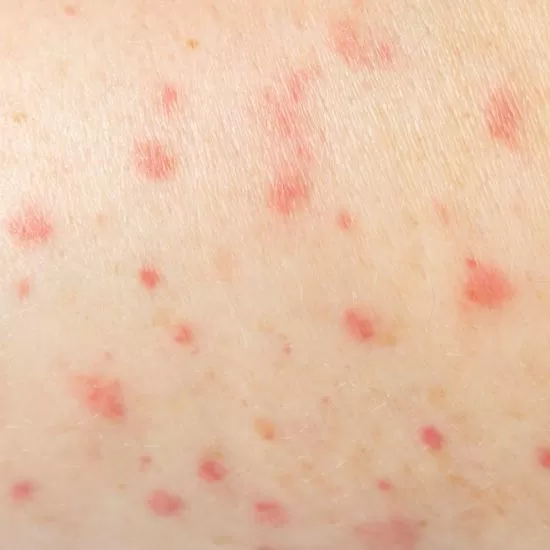
Pityriasis rosea typically begins with a single larger patch known as a herald patch, a scaly, pink or red oval mark on the chest, back, or abdomen. Over the following days to weeks, smaller similar patches spread across the trunk and upper limbs, often in a pattern that follows the natural lines of the skin. The exact cause is not fully understood, though it is believed to be linked to certain viral infections. It is generally not considered contagious and most cases resolve within six to twelve weeks without leaving scars.

When to See a Dermatologist
A dermatology evaluation is important to confirm the diagnosis, since several other skin conditions, including fungal infections, psoriasis, and drug reactions, can look similar to pityriasis rosea and need different treatment. A visit is also worthwhile if the itching is significant, the rash is unusually widespread, or it does not begin to fade within the expected timeframe.

Our Treatment Approach
Accurate Diagnosis: Clinical examination to confirm pityriasis rosea and rule out look-alike conditions.

Itch and Symptom Relief: Topical treatments and oral antihistamines to ease itching and discomfort while the rash runs its course.

Skin Care Guidance: Advice on gentle skin care and avoiding irritants that can prolong discomfort during the active phase.

Monitoring: Follow-up if the rash is slow to resolve or symptoms change, to reassess the diagnosis if needed.

Our Approach
Confirming the Diagnosis: We rule out other rashes that mimic pityriasis rosea before reassuring patients about its typically self-limiting course.

Comfort-Focused Care: Treatment is centered on reducing itching and discomfort rather than unnecessary intervention.

Clear Expectations: We explain the expected timeline so patients know what to watch for as the rash clears.

Follow-Up When Needed: We reassess cases that do not follow the typical pattern.

If you have noticed a spreading, scaly rash, book a consultation with our dermatology team in Jaipur for an accurate diagnosis and relief from itching and discomfort.


Quick Facts

Duration

15-20 mins consultation

Recovery

No downtime - self-limiting

Results Last

Resolves in 6-12 weeks without scarring

Visible Results

Itching typically eases within days of treatment

Contagious?

Not typically contagious

Typical Course

Usually resolves on its own within 6-8 weeks

Book Your Visit

Consult with our experts for personalized care.

Is This Right For You

Am I a Good Candidate for Pityriasis Rosea?

Good Candidate If

  • You noticed a single larger patch followed by smaller patches spreading over days
  • The rash is mildly itchy but you are otherwise feeling well
  • You want confirmation this is Pityriasis Rosea and not another condition
  • You are comfortable with a self-limiting course lasting several weeks

Please Discuss With Us First If

  • You have a fever, joint pain, or feel unwell alongside the rash
  • The rash involves the palms and soles, which needs testing to rule out other causes
  • You are pregnant, as timing and monitoring differ
  • The rash is not following the typical pattern or isn't improving after 8-10 weeks
Meet Your Doctors

The Experts Behind Your Pityriasis Rosea Treatment

Dr. Shantanu Choudhary

Dr. Shantanu Choudhary

MD Dermatology · Aesthetic & Cosmetic Fellowship (Miami, USA)

Fellowship-trained under Dr. Leslie Baumann in Aesthetic & Cosmetic Dermatology, with advanced laser training from the National Skin Centre, Singapore.

View Full Profile →
Dr. Swati Mogra

Dr. Swati Mogra

MRCP (UK) · Specialist Dermatologist

One of India's first RCP UK-certified Specialist Dermatologists, trained in Lasers & Advanced Dermatology at the National Skin Centre, Singapore.

View Full Profile →
Your Safety, Our Priority

How We Keep Your Pityriasis Rosea Treatment Safe

Qualified Dermatologists

Every treatment is performed by MD Dermatologists, not technicians, with years of aesthetic training.

Confirming the Diagnosis

Because several conditions can mimic Pityriasis Rosea, we confirm the diagnosis to rule out other causes needing different treatment.

Medical Assessment First

Every patient undergoes a detailed consultation and physical assessment before any treatment is planned.

Strict Hygiene & Sterilisation

Single-use, sterile equipment and strict hygiene protocols are followed for every patient, every time.

Personalised Dosing

Dosage and injection points are customised to your facial anatomy for natural-looking, balanced results.

Transparent, Ethical Care

No upselling or unnecessary treatments — we recommend only what genuinely benefits you.

Patient Reviews

What Our Patients Say

"I visited this clinic for acne treatment with Dr. Shantanu Chaudhary. His behavior is absolutely wonderful and his treatment is highly effective. Although the t..."

Rahi

a month ago

"had a wonderful experience with the doctor. he is very knowledgeable, caring, and professional. She listened to my concerns patiently and explained everything c..."

Gunjan Gupta

2 months ago

"I had a wonderful experience at Signature Skin Clinic for my acne treatment. Dr. Shantanu Choudhary is an impressive dermatologist. He explained the treatment p..."

sarah choudhary

2 months ago

Read All Reviews on Google →
?

Frequently Asked Questions

It's a common, usually self-limiting skin rash that often begins with a single larger patch ('herald patch') followed by smaller patches spreading across the body.
It often resolves on its own within 6-8 weeks. Treatment is generally supportive, focused on relieving itching, though our doctors will confirm the diagnosis to rule out other conditions.
It is not considered highly contagious, though its exact cause isn't fully established. Most cases resolve without complications or scarring.