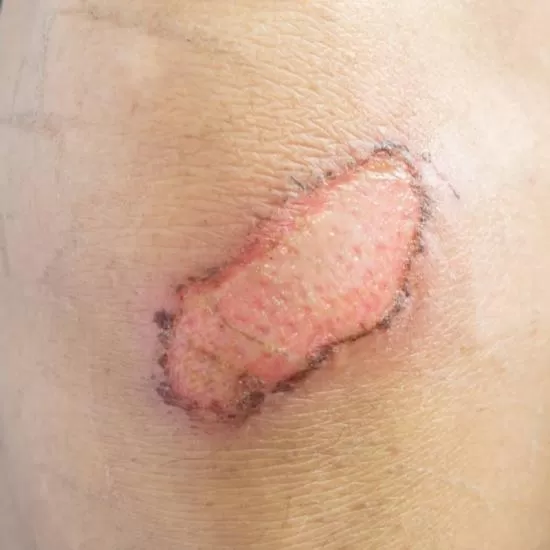
KELOIDS AND HYPERTROPHIC SCARS
Advanced Treatment for Raised, Overgrown Scars
At Signature Skin, Dr. Shantanu Choudhary and Dr. Swati Mogra treat keloids and hypertrophic scars with a range of options to flatten and soften raised, overgrown scar tissue. Treatment is tailored to scar type, size, and location.
Understanding Keloids and Hypertrophic Scars
Keloids and hypertrophic scars form when the skin produces excess scar tissue during healing, resulting in raised, sometimes itchy or tender areas. Keloids can extend beyond the original wound, while hypertrophic scars stay within the wound borders, and both can benefit from targeted treatment.
When to See a Dermatologist
Consultation is recommended for any scar that is raised, growing, itchy, tender, or cosmetically bothersome, particularly if it appeared after a cut, piercing, or surgery.
Our Treatment Approach
Scar Evaluation: We assess the scar type, size, and activity to guide treatment choice.
Injection Therapy: Steroid injections to flatten and soften raised scar tissue.
Combination Treatments: Additional options such as laser therapy for stubborn scars.
Recurrence Prevention: Guidance to reduce the risk of scars reforming after treatment.
Our Approach
Individualized Treatment: Plans are tailored to scar type and each patients healing pattern.
Staged, Safe Progress: Treatment is delivered in sessions for steady, controlled improvement.
Preventive Awareness: Guidance for patients prone to keloids on future wound care.
Long-Term Follow-Up: Ongoing monitoring to maintain results.
If you have a raised or overgrown scar that concerns you, book a consultation with our dermatology team in Jaipur.
Frequently Asked Questions
Q. What is the difference between keloids and hypertrophic scars?
Both are raised scars from excess collagen, but keloids extend beyond the original wound border while hypertrophic scars stay within it.
Q. Can keloids be treated?
Yes - options include corticosteroid injections, silicone sheeting, and other in-clinic procedures to flatten and improve appearance.
Q. Are keloids likely to come back after treatment?
They can recur, especially without proper aftercare, so your dermatologist will guide you on the best approach for lasting results.